Fall prevention tips: Make your home safer for older adults and kids
Practical ways to keep loved ones steady and safe on their feet — at any age
Falls are common, but often preventable.
As we age, changes in muscle mass, flexibility, vision and hearing can make it harder to stay steady on our feet. Our sense of balance also starts to decrease, as early as age 50, putting people at an increased risk of falls.
“Fall-related injuries are statistically very common and a serious problem for older adults,” says Chelsea Harrison, MD. “Even minor falls can be a huge setback for an older person. Falls can result in serious injuries like broken bones or a head injury, which can lead to a loss of independence.”
Kids are at risk for falls, too, although typically for different reasons. Toddlers can be unsteady on their feet, while older children may take a tumble while running, climbing or mastering a new skill on the playground.
Whether you’re caring for aging parents, raising young children or both, follow these fall prevention tips to hazard-proof your home and help keep your loved ones, young and old, safe.
How falls happen and who’s most at risk
For older adults, falls usually result from a mix of health changes and home hazards. Balance or gait issues, reduced muscle strength and vision changes like cataracts or glaucoma can affect stability. Side effects from some medications, including sedatives or blood pressure drugs that cause dizziness or low blood pressure, also increase fall risk.
“Chronic conditions like diabetes, heart disease and neuropathy can affect balance,” says Dr. Harrison. “Nerve damage can reduce sensation in your feet and lower legs, and poor circulation can lead to dizziness.”
Around the house, there are other risk factors for older adults, including:
- Poor lighting
- Loose rugs
- Clutter
- Stairways without handrails
- Uneven terrain or slippery ice outdoors
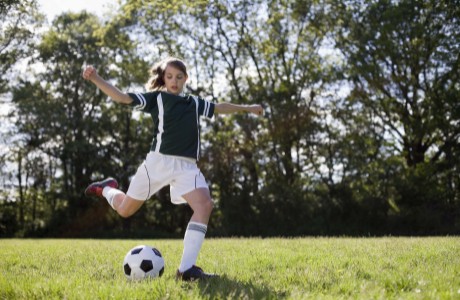
For children, falls are more likely to happen during play or as they learn new skills. Toddlers learning to walk are naturally unsteady, while older kids can fall while climbing, jumping or playing sports. Footwear matters here, too. Shoes that are too big or flip-flops raise the chance of slips and trips.
Fall prevention in older adults
While you can’t prevent every fall, older adults can reduce many of their risks with home modifications and safe habits.
Conduct a home safety assessment and eliminate hazards
Assess your home by walking through each room and looking for anything that could cause you to slip, trip or lose your balance. You also can ask an occupational therapist to complete a home safety assessment and recommend changes to make your space safer, such as:
- Brightening living spaces and walkways. Add layered lighting throughout your home and place nightlights in stairwells, hallways and bathrooms.
- Clearing pathways. Remove clutter from floors and stairs, secure electrical cords and move furniture or other obstacles that could become tripping hazards.
- Securing rugs. Use rugs with non-slip backing, secure them with double-sided tape or remove them altogether.
- Installing grab bars and handrails. For extra stability, install handrails on both sides of stairways and add sturdy grab bars in bathrooms near toilets and inside showers.
- Checking outdoor areas, too. Look for uneven steps, cracked paths or icy walkways. Add railings where needed and keep paths clear using ice melt or by blowing leaves.
- Wearing sensible footwear. Choose supportive, well-fitting shoes with non-slip soles. Avoid flip-flops and loose slippers. Even indoors, wearing supportive shoes can provide better stability.
“It’s a good idea for older adults to wear an alarm device, especially those that live alone,” says Dr. Harrison. “Wearable medical alert systems can provide emergency help if a loved one falls and can’t get up.”
Protect your balance and mobility
A safer home is only part of the equation. To help keep you steady on your feet, protect your health, balance and mobility by:
- Prioritizing exercise. Regular physical activity that targets strength, flexibility and balance, like tai chi, yoga, gentle resistance training or physical therapy, can help you stay steady on your feet. Older people are at a higher risk of bone loss and muscle mass, which can make it harder to keep your balance.
- Getting routine vision and hearing checks. Your eyes and ears are key to navigating safely. Schedule annual vision exams and update eyeglasses so you can better spot obstacles and uneven surfaces. Also, stay up to date on hearing checks to help identify issues that affect awareness and balance.
- Reviewing medications. Talk with your doctor about all the medications and supplements you’re taking. Some can cause side effects like dizziness, drowsiness or low blood pressure that increase your fall risk.
- Using walking aids. Using canes or walkers when recommended can help keep you steady.
Fall prevention in children
Young children are naturally curious and eager to explore their world, but it can lead to unsafe adventures. Little bumps and bruises are part of growing up, but you can take steps to reduce the risk of serious falls.
Home safety for kids
Fall prevention in children starts with close supervision, especially for infants and toddlers. Then add an additional layer of safety by following a few childproofing steps, such as:
- Using stair gates. Install safety gates at the top and bottom of stairs and remove toys, shoes and other clutter to prevent falls. Also, make sure handrails are secure along stairways.
- Securing windows. Use window guards and stops so windows only open a few inches. Don’t rely on window screens to prevent falls because they aren’t designed to hold a child’s weight.
- Anchoring furniture. Secure dressers, bookshelves, TVs and other heavy furniture to the wall to prevent tip-overs. Keep climbable furniture away from windows and balconies.
- Never leaving kids unattended on elevated furniture. Babies can roll or move unexpectedly, so always keep a hand on them when they’re on changing tables, beds or other elevated surfaces.
- Securing rugs and mats. Use non-slip mats in bathrooms and secure area rugs.
- Keeping pathways clear. Toys, shoes and other objects on the floor can become tripping hazards. Encourage kids to clean up after play and wipe up spills promptly.
Outdoor safety for kids
Outdoor play gives kids a chance to run, climb and build coordination, but falls are part of the equation.
To reduce the risk of serious injury at the playground, choose ones where the equipment is well maintained, appropriate for your child’s age and size, and has a shock-absorbing surface like mulch or rubber.
In addition, here are a few other habits to help keep outdoor play safer:
- Wear proper footwear. Choose well-fitting, supportive shoes with closed toes and non-slip soles for active play.
- Skip drawstrings. Opt for well-fitting play clothes without trailing strings or cords that could catch on equipment.
- Use protective gear. For bikes, scooters and skateboards, helmets are must-haves. Knee pads and other safety gear also can help protect against injury.
- Limit distractions. Teach kids to pay attention to where they’re going when walking, running or riding. Devices and other distractions can make it harder to notice obstacles or other hazards.
When to talk to your doctor about fall risk
A fall doesn’t have to cause injury to be a warning sign. Reach out to your doctor if you’ve fallen in the past year, feel unsteady or worry about falling. You can take the CDC’s online fall risk assessment and share results with your doctor to start the conversation.
Your doctor can help identify fall risk factors, including medication side effects, vision and hearing problems, blood pressure changes, balance and neurological concerns. Based on your evaluation, your doctor may recommend physical therapy to improve strength, balance and gait issues, or occupational therapy for home safety modifications.
For kids, reach out to your pediatrician if frequent falls occur or if milestones seem delayed. An evaluation can help determine if your child has an underlying condition affecting their coordination or development.
“A previous fall is one of the strongest predictors of another,” says Dr. Harrison. “Recognizing these patterns and talking to your doctor is the first step in fall prevention.”
Next steps