

How to avoid food and drug interactions
Did you know some foods can make your medication less effective — even healthy ones? Here’s how to avoid unwanted drug side effects.
When taking medication becomes a part of your daily routine, you may find that other parts of your routine need to change. One example of this is that some medications interact with foods — and even other medications — in a way that may change their effectiveness.
What are common drug interactions?
When a food and drug interaction happens, the way your body processes a medication will change.
“The medication will likely leave your body too soon, changing the way it works,” explains Dr. Jeffrey Powell, an internal medicine doctor at Geisinger 65 Forward in Scranton. “A medication can be affected by anything from other medications to herbal teas or even an empty stomach.”
Some common medication interactions include:
- Alcohol – If you’re taking insulin or oral diabetic pills, alcohol can cause them to linger longer in the body, leading to low blood sugar. When combined with alcohol, some medications can increase liver damage or drowsiness. In general, it’s a good idea to limit how much alcohol you drink, even just for general health.
- Dairy products – Dairy can decrease the absorption of antibiotics. If you give your body about two hours between eating dairy and taking an antibiotic, it will make the medication more effective.
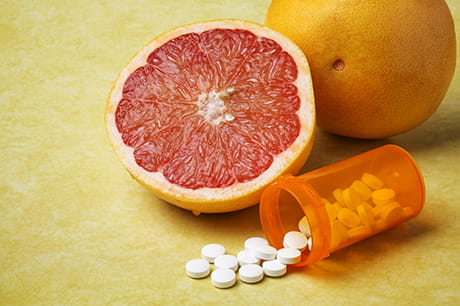
- Grapefruit juice – If you’re prescribed drugs to lower your cholesterol, grapefruit juice can make your medication less effective. So, watch how much grapefruit you eat.
- Leafy greens – Greens like kale and spinach have high levels of vitamin K, which can counteract certain medications’ effectiveness, such as blood thinners.
- Other medications – When you take certain medications together, they can increase side effects, including the risk of internal bleeding or even an overdose.
Tips to avoid food and drug interactions
If you take more than one medication, keep a list handy. This will help you stay organized and remind you what each prescription does for you.
From there, these tips will help you to avoid drug interactions:
1. Talk to your doctor about all your medications
Communicating with your doctors is key to avoiding food and drug interactions, especially if you see more than one physician.
“Making sure your doctors are aware of all your medications will help them work with you, so you can avoid certain foods,” says Dr. Powell. “It will also help your doctors avoid prescribing any additional medications that may negatively interact with what you’re currently taking.”
2. Know why you’re taking your medications
Since the names of many medications can be difficult to remember and pronounce, knowing why you’re taking a certain one can be a big help to your doctor.
If you mispronounce a prescription but know what it’s treating, your doctor may be less likely to prescribe something that may negatively interact with it.
3. Follow the instructions with your medication(s)
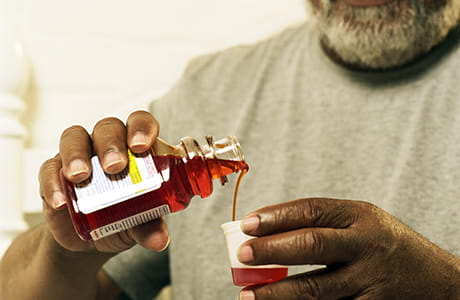
Read the instructions and labels on new medications to learn how to properly take them and what to avoid combining them with. “Reading the labels and instructions will educate you about side effects, too,” says Dr. Powell.
You’ll also know when to take the medication (with or without food), how often you should take them and what foods to avoid taking them with.
If you’re having a drug-drug or food-drug interaction, you may experience some of these side effects:
- Bleeding
- Blurred vision
- Bruising
- Constipation
- Coughing
- Dehydration
- Diarrhea
- Dry mouth
- Hair loss
- Headache
- Muscle pain/weakness
- Nausea or vomiting
Whenever you start taking a new prescription, it’s a good idea to pay attention to your body’s reaction. Watch for any side effects that may be caused by your new medication and indicate an interaction.
“Contact your doctor if you experience any side effects of a medication,” says Dr. Powell. “They can work to figure out why you’re having these side effects, tell you if it’s because of an interaction and prescribe you a new medication if needed.”
Next steps:
Get to know Geisinger Pharmacy
Should you tell your doctor about every drug and supplement?