




Why choose Geisinger for diabetes care?
Get on the path to better health through a holistic approach to diabetes care. Here, you can find all the help you need to improve your health and keep your diabetes under control. From nutrition counseling and medication management to education and emotional support, we’ve got your back.
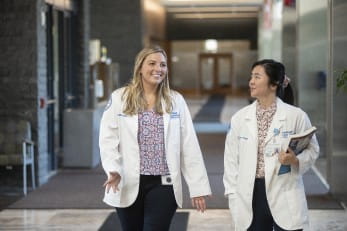
You’ll have a whole team of diabetes specialists working for you, including endocrinologists, primary care doctors, diabetes educators, registered dietitian nutritionists, pharmacists, community health assistants and specialty physicians (just to name a few). And they’re all dedicated to empowering you on your journey to better health.
Treatments and services we offer
Related specialties
Show more
FAQs
What is Type 1 diabetes?
Type 1 diabetes is an autoimmune condition. When you have Type 1 diabetes, your immune system attacks the cells in your pancreas that make insulin, the hormone that helps regulate blood sugar. That attack on insulin-producing cells means your body can’t make enough insulin. And because your body no longer produces it, you need to take daily insulin to manage your blood sugar.
Type 1 diabetes often develops in childhood or young adulthood, but it can happen at any age.
What is Type 2 diabetes?
Type 2 diabetes happens when your body can make insulin, but doesn’t use it well or doesn’t make enough. The lack of insulin leads to higher blood sugar levels over time.
Type 2 is the most common type of diabetes. Many people manage it with healthy eating, physical activity, monitoring and medication when needed.
What's the difference between Type 1 diabetes and Type 2 diabetes?
Type 1 and Type 2 diabetes both involve high blood sugar, but they’re different conditions that develop in completely different ways. With Type 1 diabetes, your immune system attacks and destroys the insulin-producing cells in your pancreas, so your body makes little to no insulin. This means you need to take insulin every day. Type 1 typically develops in childhood or young adulthood and isn't related to lifestyle factors.
Type 2 diabetes develops when your body becomes resistant to insulin or when your pancreas gradually produces less insulin. When you have Type 2 diabetes, your body still makes some insulin, just not enough — or your cells don't use it effectively.
The main difference: Type 1 diabetes is an autoimmune condition that requires insulin therapy for your whole life. Type 2 diabetes is a metabolic condition you can manage with lifestyle changes, medications or insulin.
What is prediabetes?
What is the food-as-medicine approach to treating diabetes?
Getting the right nutrition is key to managing your diabetes, so we’ll teach you how to make better food choices. And if you qualify, you can enroll in our Fresh Food Farmacy® program. There, you’ll receive access to fresh, healthy foods to feed your whole family.
Through this program, you’ll have access to the Fresh Food Farmacy app with 200+ healthy recipes and nutrition and wellness education. You’ll also have support from our care team — such as a registered nurse or certified health coach — with referrals to a registered dietitian as needed.
What should I do to protect my feet if I have diabetes?
Diabetes can cause a condition called diabetic neuropathy, which is nerve damage in the feet and legs. Neuropathy can cause pain, tingling or numbness — or it may have no symptoms at all.
Neuropathy can lead to sores on the feet that take a long time to heal. It can also cause muscle weakness, make it harder for you to feel pain and make you more sensitive to touch. If you don’t treat the sores, you could get an infection, which can lead to more problems.
Fortunately, you can prevent sores on your feet. Here are some prevention tips:
- Check your feet daily. Call your doctor if you notice any swelling, redness or wounds.
- Wash your feet daily with soap, and use lotion to keep them soft.
- Wear the right-sized shoes. Avoid shoes that rub — they can lead to blisters, calluses and other foot problems.
- Visit your podiatrist regularly.
What does blurry vision have to do with diabetes?
Did you know blurry vision can be one of the first signs of diabetes? That’s because high blood sugar can damage the blood vessels in your eyes. Get regular eye exams so your doctor can detect problems early on, before your eyes are permanently damaged.
You can also protect your eyes by:
- Controlling your blood pressure
- Watching your cholesterol
- Monitoring your blood sugar
- Quitting smoking
Do you have classes for diabetes education?
What do diabetes educators do?
Diabetes educators teach you how to manage blood sugar. They explain what your numbers mean, how food and activity affect glucose and how to use medications correctly. They can also help you build skills and confidence so you can make informed choices about your health.
Think of your diabetes educator as your cheerleader and support system all in one. They’ll help you control your diabetes. Plus, they’ll give nutritional counseling and teach you about how food can affect your blood sugar.
You’ll also learn how to manage your medications, check and monitor your blood sugar and respond if your blood sugar levels are too low or too high.
As a bonus, your diabetes educator is here for your family too, teaching the people you love about your condition. Just like a personal diabetes coach.
What conditions do diabetes care teams treat?
What kind of diabetes resources do you have?
What kinds of providers treat diabetes?
Diabetes care at Geisinger
We’re here to help you manage your diabetes — every step of the way.
- Dedicated care team: You’ll have a large network of doctors, nurses and specialists involved in your care.
- Diabetes educators: Your diabetes educator will help you manage your diet, show you how to check and keep track of your blood sugar and provide you with resources.
- Diabetes classes: Our education classes cover different topics each week, like diet and exercise, diabetes monitoring and how to lower your risk of complications.
- Clinical nutrition assistance: Group appointments, culinary medicine cooking classes, our Fresh Food Farmacy program and nutritional counseling teach you how to make healthy food choices without feeling like you’re missing out.