




Why choose Geisinger for leukemia care?
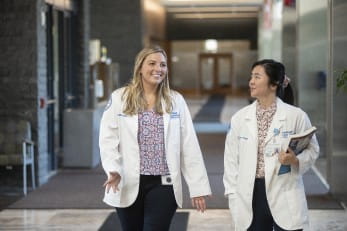
Your care is managed by a dedicated team of specialists — including medical oncologists, surgeons and nurse navigators — who collaborate to build a treatment plan tailored to your life. Because leukemia affects everyone differently, we focus on the specific type and stage of your cancer to find the most effective path forward.
You’ll have access to our specialized bone marrow transplant program and national clinical trials right in your neighborhood. Beyond medical treatment, we prioritize your well-being with integrated support services like support groups and stress-reduction therapies. Whether you’re newly diagnosed, you have a complex case or you’re having a recurrence, our team has the specialized expertise to treat your leukemia while supporting your overall well-being.
Treatments and services we offer
Related specialties
FAQs
What are common leukemia symptoms?
In its early stages, leukemia may not cause noticeable changes. As it progresses, symptoms can vary depending on the type of leukemia you have. You should talk to your doctor if you’re noticing:
- Bone pain
- Sudden, unintentional weight loss
- Persistent fever or chills
- Excessive sweating, especially at night
- Fatigue
- Red spots or a rash on your skin
- Frequent nosebleeds
Having one or more of these symptoms does not mean you have leukemia. However, be sure to share any persistent changes with your doctor, as these can be signs of another underlying health issue.
Are there different types of leukemia?
Yes, there are different types of leukemia, including:
- Acute lymphocytic leukemia (ALL): Most commonly seen in children, this type of leukemia affects both the blood and bone marrow.
- Acute myeloid leukemia (AML): Most commonly seen in adults, this type can form in different types of abnormal cells: white blood cells, red blood cells or platelets.
- Chronic lymphocytic leukemia (CLL): Can be either slow- or fast-growing and makes up around 30% of all leukemia diagnoses.
- Chronic myeloid leukemia (CML): A rarer form of leukemia, this type tends to grow slowly.
- Hairy cell leukemia: A rare, slow-growing form of leukemia. This type is named for how cells appear under a microscope.
What are the risk factors for leukemia?
While the exact cause isn’t always known, certain factors can increase your risk, like:
- Smoking: Tobacco use, such as using smokeless tobacco, cigarettes and pipes.
- Family history: Having a family member who has been diagnosed with leukemia.
- Environmental exposure: Contact with industrial chemicals like benzene or high levels of radiation.
- Previous treatments: Past chemotherapy or radiation therapy can be a factor.
How do doctors diagnose leukemia?
Early detection is key to successful treatment. We use advanced diagnostic tools to get a clear picture of your health, including:
- Physical exam: We review your history and check for signs like enlarged lymph nodes, or persistent bruising or swelling in your abdomen.
- Blood tests: A complete blood count (CBC) to look for abnormal levels of white blood cells.
- Bone marrow testing: Using a thin needle to take a small sample of bone and bone marrow to look for cancerous cells under a microscope.
- Imaging: CT, MRI or PET scans to see if cancer has affected your organs or lymph nodes.
- Spinal tap: A procedure to check if cancer cells have entered the central nervous system.
Leukemia care at Geisinger
Here, your care team’s approach combines innovation with a personal touch, including:
- Expert care from all sides: Our multidisciplinary team treats many people with blood cancer every year, combining their expertise to provide precision chemotherapy, radiation and minimally invasive surgery — all in 1 convenient location.
- Comprehensive treatment and research: Options including national clinical trials and genetic testing through programs like the MyCode® Community Health Initiative help us develop a treatment plan tailored to your needs.