




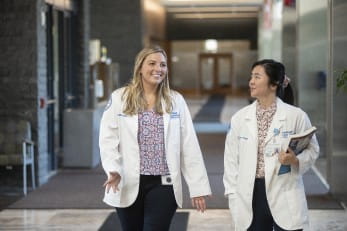
Why choose Geisinger for addiction treatment?
Beginning recovery is a huge step, but it’s not one you have to take alone.
We offer addiction treatment programs designed to meet you where you are, with support that’s personalized and focused on long-term recovery.
Getting the right level of care matters. Options include inpatient treatment for substance use disorder at Geisinger Marworth Treatment Center, outpatient addiction treatment, therapy and medications that can help. Whether you need 24/7 support through inpatient rehab or flexible outpatient care that fits your daily life, your care team builds a treatment plan around your needs and recovery goals.
Care teams include specialists in addiction medicine, behavioral health and counseling working together to support your physical and emotional health through mental healthcare, peer support and ongoing recovery resources.
Treatments and services we offer
Conditions we treat
FAQs
What’s the difference between inpatient and outpatient treatment?
What happens during inpatient rehab?
What can I bring with me to inpatient rehab?
What are the signs of addiction?
What is detox?
I have a loved one with addiction. What should I do?
It’s painful when someone you care about has a substance use disorder. Starting with open, honest conversations — without judgment — can make a difference. Learning more about addiction can also help you understand what your loved one is going through. Encouraging them to seek treatment is the best thing to do.
Support groups and counseling can help family members too, not just the person in treatment. Find a local Al-Anon group or learn about Geisinger Marworth's family program.
What are the signs of drug and alcohol overdose?
Addiction treatment at Geisinger
Your path to recovery is your own. Our treatment programs are designed to support your health, goals and long-term recovery. We offer:
- Inpatient and outpatient support: Your care team helps you choose from inpatient rehab, outpatient programs and ongoing recovery services based on your needs.
- Support close to home: Access addiction treatment specialists, telehealth options and connected care in central and northeastern Pennsylvania.
- Admissions counselors available 24/7: Talk with a counselor anytime to ask questions, explore treatment options and take the next step.
- Support for loved ones: Family education, counseling and peer support help loved ones stay involved throughout recovery.