




Why choose Geisinger for neuro-oncology care?
It doesn’t help to know that a brain or spinal cord tumor diagnosis is rare. What matters is having a specialized team where a diagnosis like this is routine.
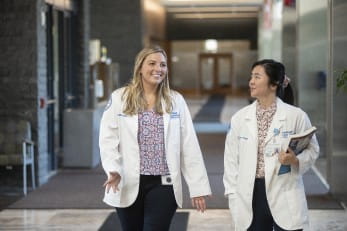
Here, your fellowship-trained neuro-oncologists, or brain cancer doctors, don’t only treat brain and spinal cord tumors. They also care for patients whose cancer treatments are causing symptoms like memory loss, seizures and cognitive changes.
They also offer some of the latest minimally invasive treatments available, including the Optune Gio®device, which delivers targeted electrical fields to shrink brain tumors without surgery. For cancers around the brain and spinal fluid, the Ommaya clinic offers another minimally invasive approach to provide chemotherapy directly where you need it.
Whether you need a second opinion or want to understand your options, we’re here for you at every step.
Conditions we treat
Related specialties
FAQs
What’s a primary tumor?
What are brain or spinal cord metastases?
What’s the risk of developing a brain or spinal cord tumor?
What are the risk factors for developing a brain tumor?
Often, a brain tumor’s cause is unknown. However, certain risk factors can increase your risk:
- Age: Brain tumors can develop at any age, but the risk is higher for adults 65 and older and children.
- Sex: Men are more likely to develop a brain tumor than women.
- Family history: If you have a family member who’s been diagnosed with a brain tumor, your risk is higher.
- Health history: Certain aspects of your health history, including seizures and head injuries, can increase your risk.
- Other risk factors: Previous radiation exposure and certain infections, viruses and allergens may also raise your risk of developing a tumor.
What are common brain tumor symptoms?
Brain tumor symptoms can be similar to many other conditions. You may have:
- Balance issues
- Increased head pressure
- Changes in hearing
- Headaches (severe or frequent)
- Loss of appetite or difficulty eating
- Memory problems
- Nausea or vomiting
- Numbness or weakness in the arms or legs
- Personality changes
- Seizures
- Slurred speech
- Sudden vision problems
- Trouble swallowing
Having any of these symptoms doesn’t mean you have a brain tumor. But it’s worth talking to your doctor to rule out any other health issues.
How do doctors test for brain tumors?
Your doctor may use some or all of these tests to diagnose a brain tumor:
- Magnetic resonance imaging (MRI): MRIs create 3D images of the brain. Our team uses 3 Tesla MRI technology, which operates at twice the strength of traditional MRI scanners. This strength gives your team highly detailed images and allows them to treat tumors more accurately.
- Computerized tomography (CT) scans: CT scans use X-rays to obtain cross-sectional images of the brain.
- Lumbar puncture (spinal tap): Your doctor will remove fluid from your spine to help make a diagnosis.
- Bone scans: Bone scans are nuclear imaging tests that help your doctor make a diagnosis.
- Biopsies: Your doctor removes a small tissue sample with a thin needle and then examines it under a microscope to determine if it contains cancerous cells.
What does a neuro-oncologist do?
What’s the difference between a neuro-oncologist and a neurosurgeon?
A neuro-oncologist specializes in diagnosing and treating brain and spinal cord cancers using medications, therapies and coordinated care. A neurosurgeon performs surgical procedures on the brain and spinal cord.
While their roles are different, they work closely together, and your neuro-oncologist may refer you to a neurosurgeon if surgery is a part of your treatment plan.
Neuro-oncology care at Geisinger
Your neuro-oncology team brings together the latest treatments and technology to give you the best possible outcome, including:
- Innovative therapies: Our team uses minimally invasive techniques to reach otherwise inoperable tumors, including the Optune Gio device, Novalis radiation, Gamma Knife, laser interstitial thermal therapy (LITT) and the Ommaya reservoir in the Ommaya clinic.
- Advanced imaging: In addition to standard MRI, we use perfusion-weighted imaging to measure blood volume around your brain to more accurately detect tumor growth.
- Access to clinical trials: As a research institution, we offer trials evaluating new treatments for tumors and other cancers, giving you access to options that may not be widely available.
- Integrated care: Your team of neuro-oncologists, neurosurgeons, neuropsychologists and nurse navigators work together to treat you, not just your tumor.