
Let's talk: Recovering from substance use
Expert answers to your toughest questions
The best time to talk with your family doctor, another member of your healthcare team or a recovery specialist about a substance use disorder is before you’re certain you need help.
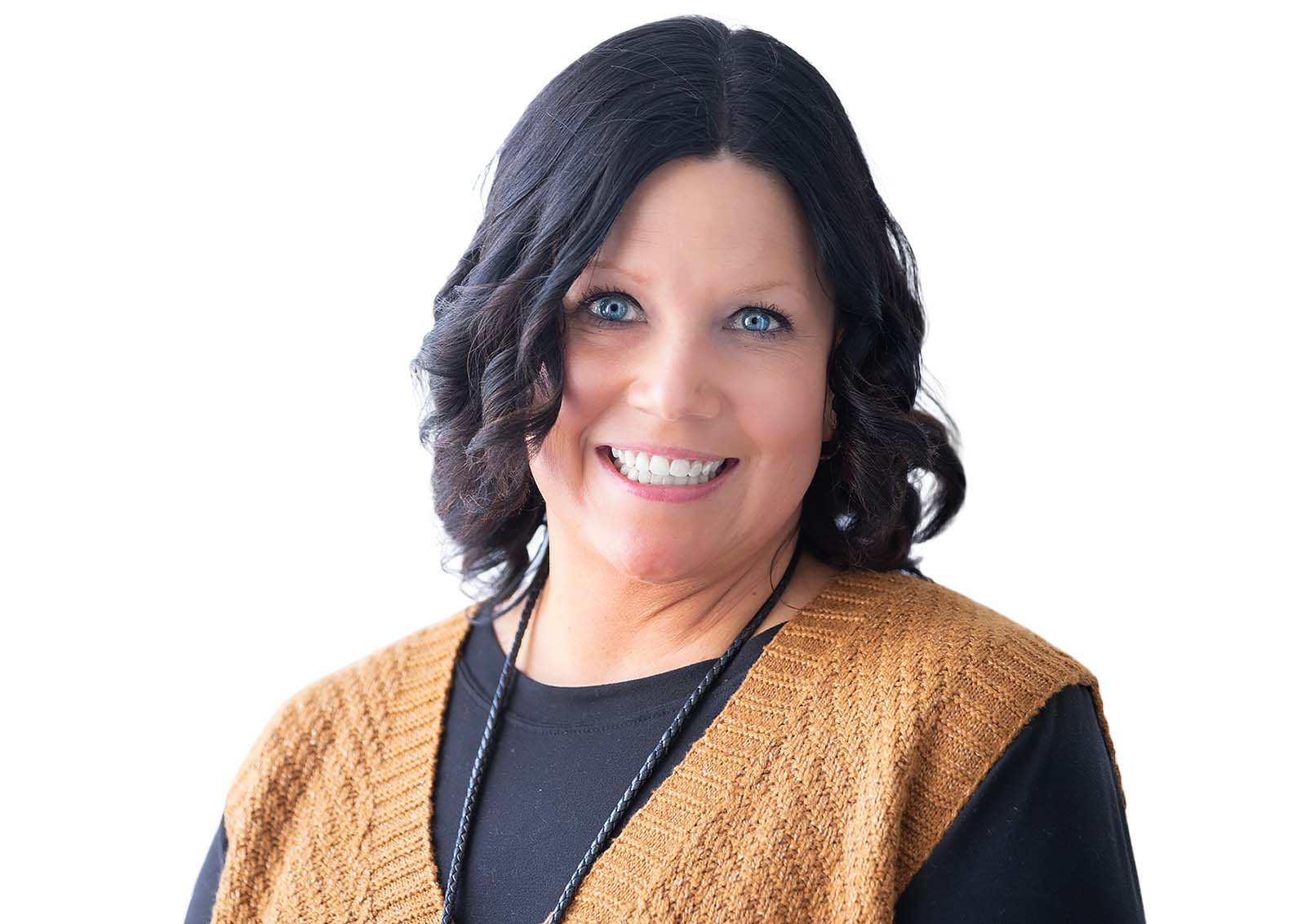
Samantha Fitz-Gerald, PsyD, of Geisinger Marworth, an inpatient and outpatient treatment center in Waverly, helps you get this tough conversation started with a trusted provider. Keep in mind they may answer differently, depending on your situation. And rest assured, these conversations are confidential.
I have a few drinks every week — maybe most nights, actually. That doesn’t mean I have a problem, does it?
You’re smart to ask and get ahead of your health. And the fact that you’re curious tells me you might be quietly concerned.
Ask yourself, “Has my reliance on alcohol or other substances increased in recent months or years? Do I ‘need’ a substance to relax or be social? Is this issue negatively affecting my relationships or work?”
If you’re starting to use the word “need,” or often wondering when you can drink or use a substance again, it’s probably time to think seriously about whether you need support to quit.
Why ask? An objective perspective helps you be honest with yourself so you can make a decision.
If I start going to meetings or rehab, aren’t people going to judge me?
Many people feel like reliance on a substance is a sign of weakness. That’s not true. It’s an illness that requires — and responds to — treatment. And there are lots of options, from talking to a substance use counselor or behavioral therapist to medication management and inpatient or outpatient treatment.
Two things to keep in mind as you consider getting help:
First, your health and relationships are paramount. Getting treatment can save your life, your job and your connections to loved ones.
Second, seeking treatment can be liberating. You’ll probably be surprised to learn how many others around you have sought treatment, too. And you’ll build a whole community of people who are right there with you, sharing their stories and lending you a shoulder to lean on.
Why ask? Helps you see the bigger picture and how treatment has changed other people’s lives.
But no one knows I have a problem. If I seek treatment, won’t my family and friends be disappointed in me?
Chances are, you’re not hiding your substance use as well as you think you are. There’s also a good chance some people who love you are hoping you’ll reach out. They might just be proud of you — and the day will come when you’re proud of yourself, too. Hiding a problem takes a lot of effort. So does recovery. But that’s effort you put in for a great cause: your health and safety.
Why ask? Keeps you from relying on assumptions you’ve made about yourself and others.
If I’m not sure I have a problem, it’s too early to take a drastic step like calling a rehab facility, right?
It never hurts to reach out. The people at Marworth — and other treatment centers — are kind, welcoming and knowledgeable. They’re not going to “convince” you to do anything. They’re going to help you determine the right path for you, with empathy and understanding. Helping people is their life’s mission, and they’ve seen the entire spectrum of addiction. Talk to them. They’ll listen.
Why ask? Opens the door so you can take a step toward getting help.
“Addiction is a disease, just like cancer. You wouldn’t hesitate to raise concerns about that illness with your doctor. Don’t wait to discuss concerns about substance use, either.”
This story originally appeared in the summer issue of PA Health, our quarterly full-color magazine filled with wellness tips, inspiring stories and more.
Sign up to have PA Health sent to your mailbox or inbox 4 times a year, for free.