
Be the help before help arrives: Emergency techniques
When emergencies happen, they rarely give you time to think. Your heart pounds. Your brain scrambles. And suddenly you’re wishing you knew just a little more about what to do in those crucial first moments.
“Every minute matters,” says Deborah Erdman, RN, trauma outreach nurse coordinator at Geisinger Medical Center. “Knowing the basics can truly save a life.”
The good news? These skills aren’t complicated. Geisinger’s trauma and emergency outreach teams spend their days teaching our communities exactly how to respond.
Prepare yourself by knowing these 3 emergency techniques.
Want to learn how to stop life-threatening bleeding?
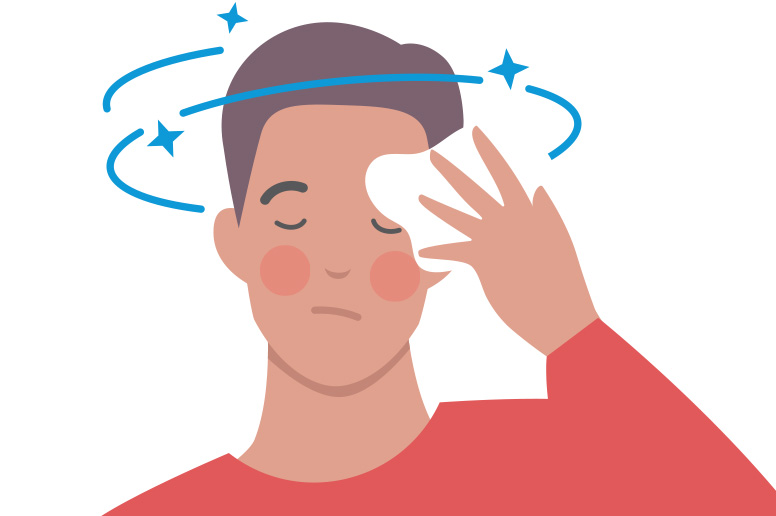
Heart attack: Know the signs — and mind the clock
Heart attacks don’t always look like they do on TV. Some people feel chest pressure. Others feel pain in the arm, jaw or back. You might feel short of breath, sweaty, nauseated or fatigued.
If you’re with someone having a heart attack:
- Call 911 immediately.
- Stay with them and follow dispatcher instructions.
- Help them sit comfortably and loosen tight clothing.
- If they collapse and stop breathing, begin hands only CPR: 30 chest compressions, 2 inches deep, about 100 per minute.
If you think you’re having a heart attack:
- Call 911 and stay on the phone.
- Take prescribed nitroglycerin if you have it.
- Don’t drive yourself anywhere.
- Stay as calm as possible until help arrives.
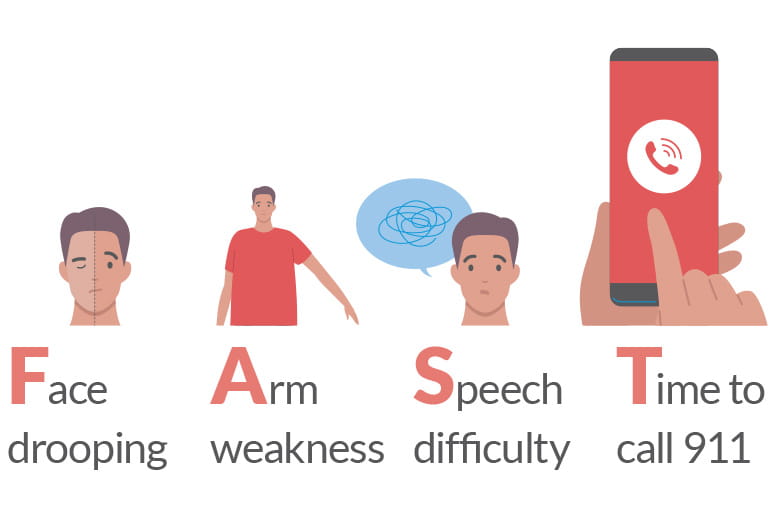
Stroke: Think FAST
A stroke happens when blood flow to the brain is interrupted. That means the faster you act, the more brain you save. Never “wait it out.”
Know what to watch for and do with the acronym FAST:
- Face drooping
- Arm weakness
- Speech difficulty
- Time to call 911
While waiting for an ambulance:
- Help the person sit or lie down safely.
- Don’t drive the person anywhere. Emergency treatment needs to start ASAP.
- Check for breathing and give CPR if needed.
- Note exactly when symptoms started to help doctors diagnose and treat quickly.
- Don’t let the person take aspirin or eat/drink unless instructed.
Drug overdose: Save a life with Narcan
An opioid overdose slows or stops breathing, which can cause brain damage or death. Key signs include pinpoint pupils, blue lips or nails, limpness, shallow breathing, choking sounds or unconsciousness.
If you suspect opioid overdose:
- Call 911 immediately.
- Give Narcan® (naloxone) as soon as possible.
- If the person doesn’t respond in 2 to 3 minutes, give another dose.
- Try to keep the person awake and breathing.
- Lay them on their side to prevent choking.
- Stay until emergency responders arrive.
Most pharmacies provide Narcan for free. Geisinger also hosts periodic Narcan distribution events so everyone can keep this lifesaving tool on hand.
This story originally appeared in the summer issue of PA Health, our quarterly full-color magazine filled with wellness tips, inspiring stories and more.
Sign up to have PA Health sent to your mailbox or inbox 4 times a year, for free.