

Eat these 8 foods to get more biotin
Your body relies on this essential vitamin to stay healthy. Are you getting enough?
Beautiful hair, nails and skin. Optimal liver function. Steady blood sugar levels. These are just some of the many benefits of biotin.
What is biotin?
Also known as vitamin H or B7, biotin is part of the B-complex group of vitamins. It helps your body convert food into energy. Our bodies don’t store biotin, but it’s easy to get enough through our diet. So how much biotin do you need?
“To get the maximum benefits, teens and adults need between 30 and 100 micrograms of biotin each day,” says Kevin Ly, MD, a family medicine doctor at Geisinger’s Elysburg clinic.
And if you’re pregnant or nursing, aim for 300 mcg of biotin daily.
Benefits of biotin
Biotin is a critical nutrient that truly does it all. This mighty vitamin helps with:
- Muscle and tissue repair
- Boosting immunity
- Supporting a healthy pregnancy
- Regulating metabolism
- Heart health
- Brain function
- Protecting the nervous system
- Strengthening nails
- Maintaining healthy hair and skin
Not getting enough biotin? “You may have brittle nails, a skin rash or hair loss,” Dr. Ly says. Other signs of a biotin deficiency? Dry skin, trouble sleeping or a loss of appetite.
If you have any of these signs, talk to your healthcare provider. They can check your biotin levels to see if they’re low or rule out other conditions. And if your levels are low, they can help get them right.
Foods high in biotin
Getting more vitamin H is easy. Just look for these biotin-rich foods in your fridge or pantry:
Egg yolks
Eating an egg can deliver over a third of your recommended daily dose of biotin. Choose scrambled, poached, fried or hard-boiled. Add an egg to your salad or try one for a snack. The possibilities are endless.
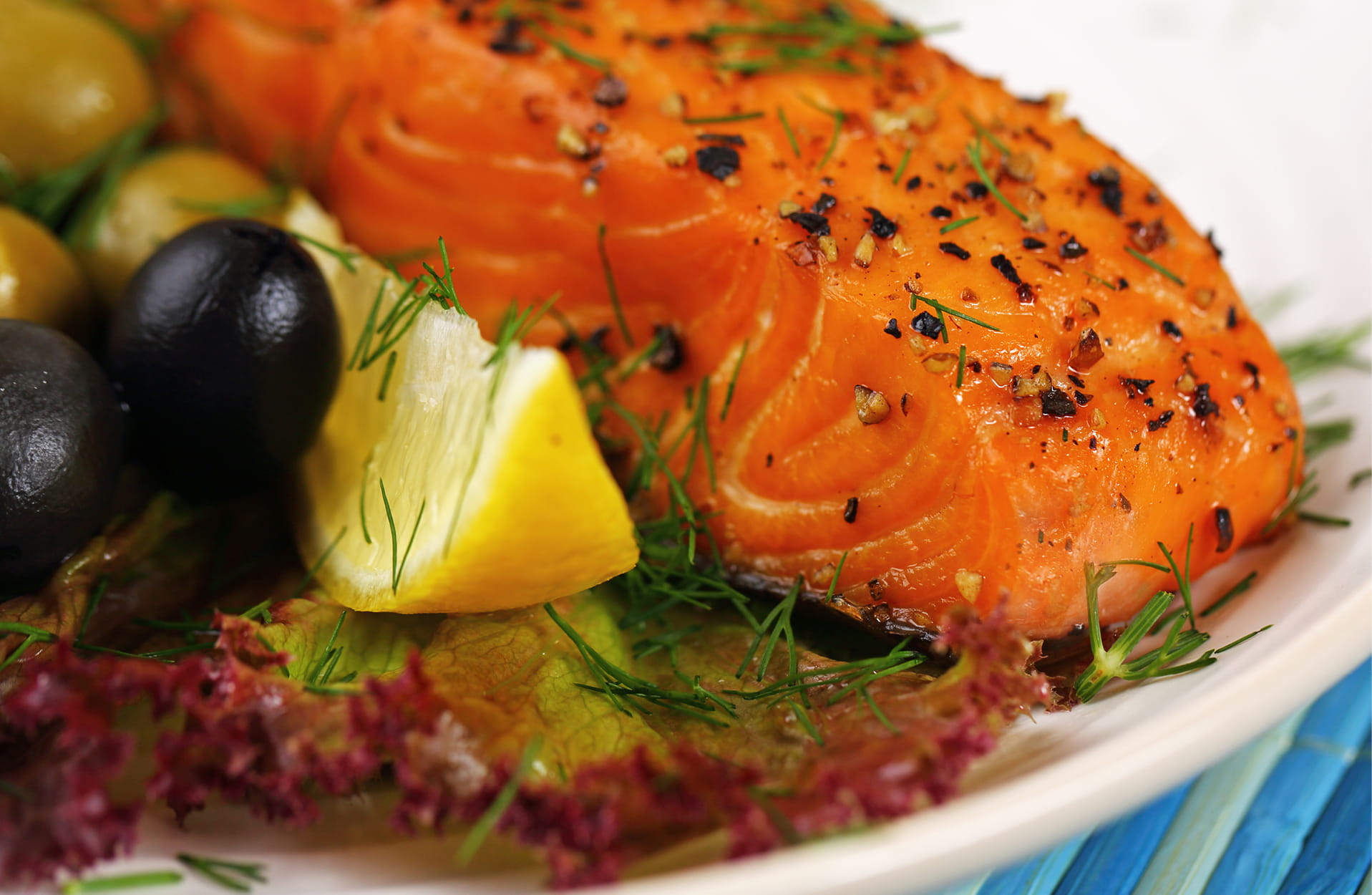
Salmon
Pair this tasty fish with a salad or some brown rice for an easy weeknight dinner. One three-ounce serving of salmon will give you a nutritional boost.
Sweet potatoes
Try a sweet potato for breakfast, brunch, lunch or dinner. Mash one into your oatmeal, slice and bake into fries or steam in the microwave. You can even use them for dessert. Browse the web to find a recipe and get to work.
Organ meats
Stumped for your next meal idea? Try organ meats, like liver. These nutritional powerhouses are available at most grocery stores and farmers markets. And they pack a punch. “A single three-ounce serving of beef liver delivers a full day’s worth of biotin,” says Dr. Ly. Not a liver lover? Add a pork chop or hamburger to your table instead.
Avocados
Everyone’s favorite accompaniment isn’t just tasty; it’s nutritious, too. This versatile fruit (yes, an avocado is a fruit) works as a meal, snack or side dish. Add one to your plate and reap the benefits.
Legumes
Looking for more of this supercharged vitamin? Include beans, lentils and peanuts on the menu. An added bonus? They’re loaded with protein.
Almonds
These nuts deliver a healthy dose of vitamin H. Not to mention omega-3’s, vitamin E and protein. For an added boost, add some to your morning oatmeal or stir a few into your yogurt (both good sources of biotin).
Mushrooms
Want to up your daily biotin dose? Try mushrooms. Besides being a good source of biotin, they’re rich in antioxidants and minerals. Consider tossing them into your salad, adding as a pizza topping or putting them into a stir fry.
Not sure you’re reaching your daily recommendation? Start with a conversation. “Your healthcare provider may recommend a daily biotin supplement to help,” Dr. Ly says.
Next steps:
Are you getting enough vitamin C?
Laughter is the best medicine. Here’s why.
Meet Kevin Ly, MD